- Avery Lynn
- Mar 15, 2024
- 3 min read

Foster care is intended to provide a safe and nurturing environment for children who have experienced abuse, neglect, or other traumatic experiences in their homes. While foster care can offer a lifeline to these vulnerable children, it's crucial to understand the complex
effects it can have on their emotional, psychological, and developmental well-being.
1. Trauma and Trust Issues
Children entering foster care often carry deep emotional scars from their past experiences of abuse and neglect. These traumatic experiences can lead to profound trust issues, making it challenging for them to form attachments or feel safe in new environments. Foster parents and caregivers play a vital role in building trust and creating a stable, supportive environment where children can begin to heal.
2. Emotional Instability
The instability of moving between homes and caregivers can exacerbate emotional instability in children who have already experienced trauma. They may struggle with feelings of abandonment, fear of rejection, and a sense of not belonging anywhere. Consistent and compassionate care is essential to help these children navigate their emotions and develop healthy coping mechanisms.
3. Educational Disruptions
Frequent changes in schools and disruptions in education are common challenges faced by children in foster care. These disruptions can impact academic performance, social interactions, and overall educational attainment. Access to supportive educational resources, tutoring services, and understanding teachers can significantly improve the educational outcomes for children in foster care.
4. Behavioral and Mental Health Challenges
Children who have suffered abuse and neglect are at a higher risk of developing behavioral and mental health challenges such as anxiety, depression, PTSD (Post-Traumatic Stress Disorder), and attachment disorders. Professional counseling, therapy, and access to mental health services are crucial components of comprehensive support for these children and their families.
5. Need for Stability and Permanency
One of the most critical needs for children in foster care is stability and permanency. Establishing stable placements, maintaining meaningful connections with biological family members when safe and appropriate, and facilitating permanent adoptions or reunifications when possible are essential for the well-being and long-term success of these children.
6. Importance of Trauma-Informed Care
Providing trauma-informed care is paramount in supporting children who have experienced abuse and neglect. This approach recognizes the impact of trauma on children's behaviors and emotions and emphasizes safety, trustworthiness, choice, collaboration, and empowerment in caregiving and intervention strategies.
7. Advocacy and Support
Advocacy at the individual, community, and policy levels is crucial for improving the foster care system and ensuring better outcomes for children and families involved. Supporting organizations that provide resources, advocacy, and education about foster care and child welfare can make a significant difference in the lives of vulnerable children.
Becoming a foster parent is a significant decision that can have a profound impact not only on the lives of foster children but also on the foster parents themselves.
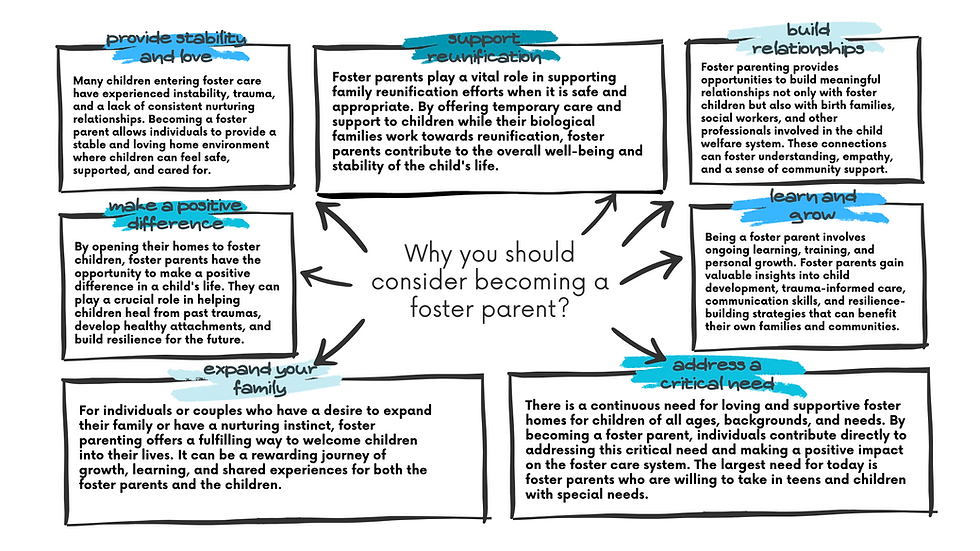
Becoming a foster parent is a meaningful and compassionate way to contribute to the well-being of vulnerable children and families in the community. It offers a chance to nurture, support, and advocate for children's rights while also experiencing the joys and challenges of caregiving and family building.
In conclusion, while foster care can offer a new beginning for children who have suffered abuse and neglect, it also comes with unique challenges and complexities. By understanding these challenges, providing trauma-informed care, advocating for systemic improvements, and offering unwavering support and compassion, we can help these children heal, thrive, and build brighter futures.


